
Technical resources
Fuel and calibration notes for select four-stroke craft
Practical documentation for EFI setups on supported Yamaha, Kawasaki, and Sea-Doo platforms, covering sensors, harnesses, fuel delivery, and basic diagnostic logging.
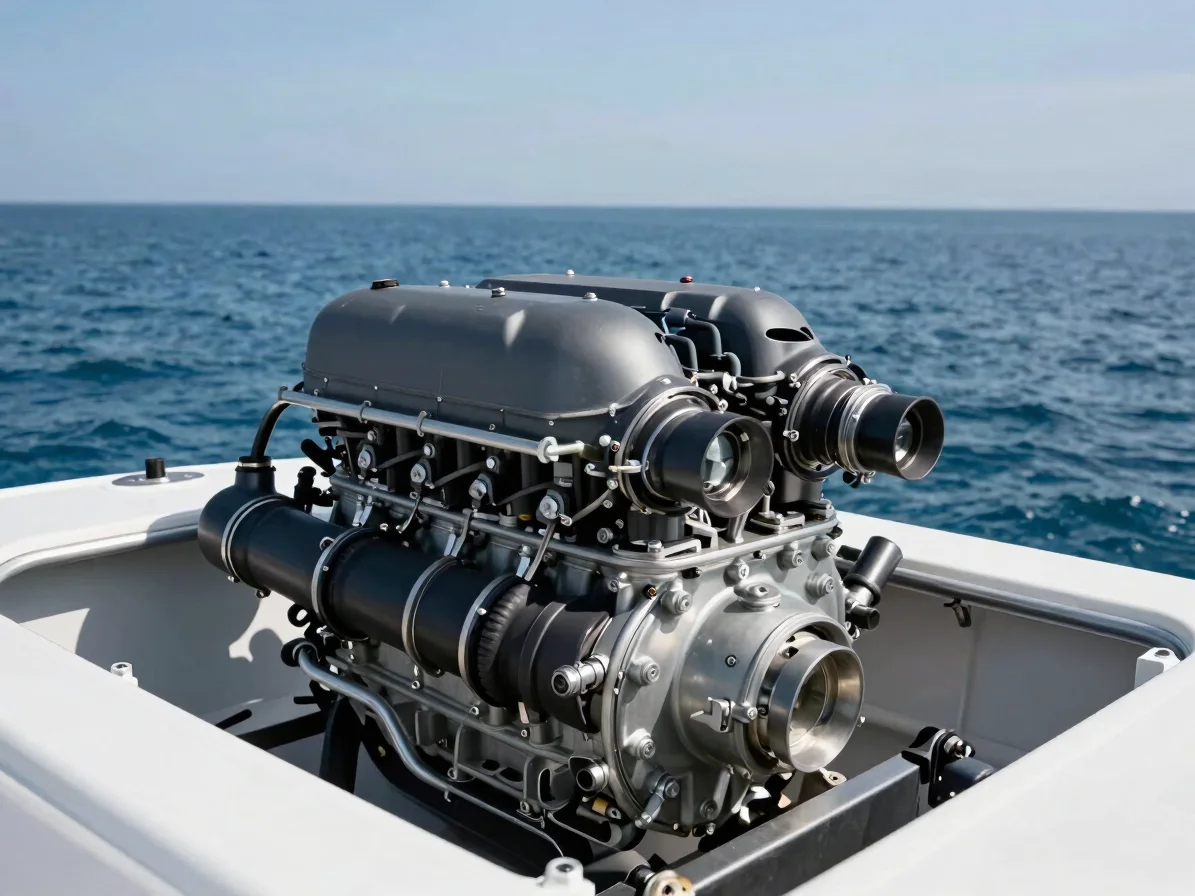
E85 benefits and considerations
What E85 changes before you choose a setup
E85 is an ethanol blend with a high octane ceiling and a strong cooling effect in the combustion chamber. That combination can support knock resistance when the calibration is built for it, and it gives the charge a thermal margin that gasoline does not.
The trade-offs are real. Ethanol is more corrosive to some materials, absorbs water from the air, and requires a larger volume of fuel delivered per unit of power. Confirm pump capacity, injector sizing, and seal compatibility before switching fuels.
Setup checklist
Configuring an E85-ready system
01
Check fuel pump flow
Measure delivered volume at operating pressure and confirm it covers the higher fuel requirement of an ethanol blend.
02
Size injectors for the blend
Verify injector flow against the target power output on E85, and retune rather than assume the gasoline map carries over.
03
Test ethanol content regularly
Check blend level with a tester before each season and whenever fuel source changes, since ethanol content drives calibration.